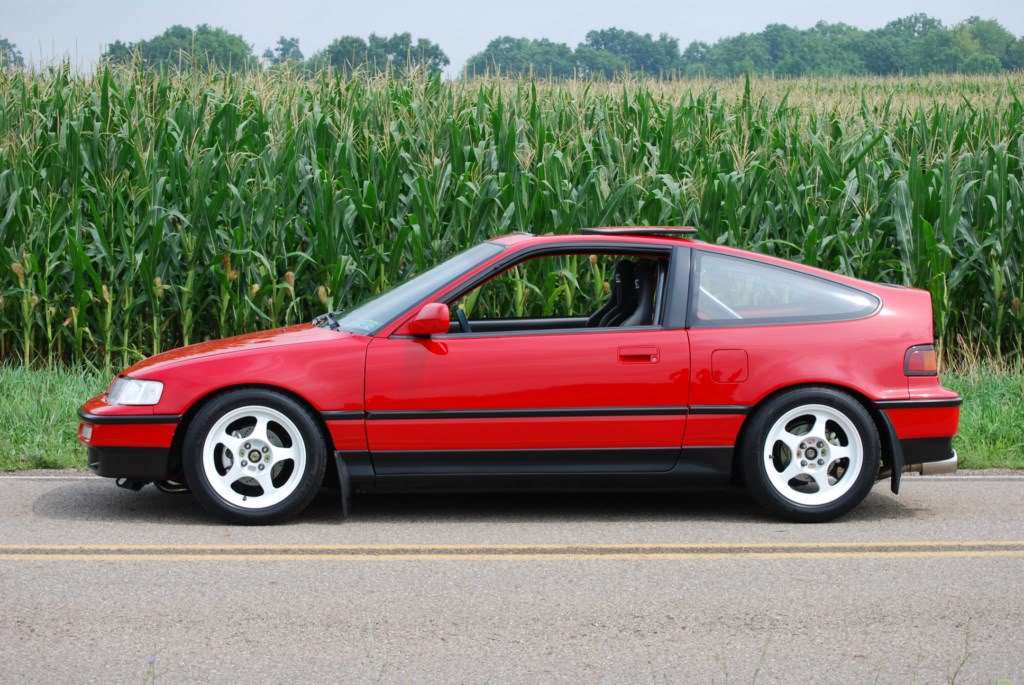
Buying a car is something most of us may have to do at some point. Here are some tips and considerations if you are new to this Car Buying Process. This may help you to ask the right questions, avoid traps, make a better choice and have a more satisfying experience. Note – This article does not talk about What Car to Buy, more around the Buying and Selling process around Used Cars. Please see this separate article tips on Buying a Mid-Sized Family Car


Where can I buy my Car from?
Here are the three most common places to buy your car from.
- Dealer – Dealers are usually the safest option as you will have some mechanical & safety checks and basic warranty / protection and you can also ask for a few extras. However, Dealers also need to make money so this might not be the most cost effective option. Most Dealers will also allow you trade in your existing car which can be attractive if you do not have time or your car is difficult to sell.
- Private Seller –Private sales carry some risk but gives you a lot of choice plus you will save a lot of money. If you have bought from a dealer previously, you might want to look at buying privately. There are ways to mitigate your risks by following some of the tips in this article + doing some research and you can end up with a terrific car at a bargain price.
- Auctions – Auction houses like Pickles or Grays Online have a lot of ex-government or fleet cars that are available for a good price provided you do your research. This can be a time consuming process but you can save lots of money.


How can I Prepare to Buy a Car?
Follow these tips so that you are well informed about your car.
- Use an App / Website – Apps or Website like CarSales or CarsGuide are great because you can compare cars, setup alerts as well as view what similar cars are selling for, which will give you an idea of average prices before you make any offers. This is also a great way to compare features and filter based on criteria such as Fuel Economy. Some cars may have a special safety pack as an add-on. You can also search by Features e.g. Leather, Sunroof, Hill Hold, etc.
- Know your Car’s Value – Check Redbook or Glasses to find out what the car is worth based on the year, make, model and series. The number of kilometres travelled as well as demand / supply can also affect the pricing. Even colours can influence price! As far as possible, try to end up with a final sale price at the lower end of the Redbook range for your vehicle
-
Revs Check – It is important to perform a Revscheck to see if there is any Finance Owing on the vehicle, especially for a Private sale. You don’t want to take on an encumbered vehicle as the seller’s debt will quickly become your liability!
-
Service history / Logbooks – Ask to inspect the Logbooks. This will tell you if the car has been regularly serviced or not and where its history can be tracked down as well as any imminent large services due. You can also ask for the last service record to see if there were any notes. If there is a large upcoming service due, this can be used to negotiate down on price. Also check the frequency of service – whether it is six months or twelve months as this can add to your running costs.
-
Remaining Warranty – Check if there is still any warranty left and whether the warranty can be extended or ownership is allowed to be transferred. Consider extending the warranty especially if it is a new car manufacturer’s warranty. This will give you additional peace of mind especially for Luxury or Sports cars which can have expensive repair bills! This can also be used to negotiate on pricing. Check if there are any conditions as some warranties require you to service only at the Dealer
-
Tyres – Check when the tyres were last changed and are they in good condition. Is the spare tyre a full sized spare, is it in good condition and fully pumped up in case you get a flat tyre? Are the alloys scratched? Dealers will often agree to fix small scratches and indents as part of detailing the car prior to sale. You can check the remaining life of the tyre by checking the groove of the tread and feeling for the ridges
-
Insurance quote – It is best to get a quote so that you know what costs you are in for, especially if the car you are buying is a 2 door, sports car, is turbo charged or if you might have younger drivers listed. Based on your suburb, car insurance quotes may vary significantly.
-
Check the Oil – Check for small telltale puddles under the car or oil spills around the engine bay which could indicate oil leaks. Lower oil levels can indicate high oil consumption. You can also take out the dipstick and check if the oil smells burnt
-
New Luxury Car Corporate Discount – If you work for a big company and are buying a new luxury car, they may have some corporate discounts which can give you 10% off, 3 years free servicing, free loan car, car pickup/drop off, etc
-
Year of Manufacture – The build date may be different to the compliance date. Often the compliance date is used as the year model but the build date could be the previous year. This can be used to negotiate especially if you are getting last year’s model. Here is a good article from Drive which explains how more about this
- Ex-Demos – Ex-Demo cars are often nearly new but can be significantly marked down. As a result these tend to get snapped up quickly but you can ask the dealer if they have any Ex-Demo vehicle. Dealers are usually highly negotiable on Ex-Demos as they would like to get them off their books so it could be a win-win.
- Test Drive – Take the car for a spin. Test the Air Conditioning, Brakes, listen for Cabin or Engine Noises. Test the Acceleration & how it performs when driving up a Hill. Check how dynamic the steering is or how balanced the car is when you throw it into a corner.


What should I Beware of when Buying a Car?
There are a few things to avoid.
- Older European Cars – European cars have a lot of character and style but try to avoid European Cars with high kilometers as things are more likely to go wrong and parts can be very costly. If you do decide to go for one, check forums for known issues and talk to your mechanic. Based on the VIN number, a good mechanic can advise you of any known issues for that model & year.
- Gas Guzzlers – Fuel will add to your running costs. If you want to keep your running costs low, check the fuel economy on the website before you buy the car. Take the Urban fuel consumption and you can add an additional 2L/100km to get a closer proximation to real world economy. 5L/100km these days is normal for a non-performance cars with the increasing advent of hybrids and electric cars
- Postcode – The postcode of the seller can give you some clues about the car. If the car is located in a safe locality or is a family vehicle, it can give you an indication about the condition of the vehicle and how well it may have been looked after. Cars from rural locations will have higher mileage but it would be highway miles on open roads rather than stop-start traffic so context is important
- Number of Owners – The less owners the better plus it will be more difficult to know the full history of the vehicle, whether it was thrashed, etc but the less owners, the better. Try to avoid cars with too many owners. One or two owners is ideal
- Accidents or Damage – Ask if the Car has ever been in an Accident or Damaged e.g. Hail Damage. If it has, it can mean that parts of the car may not be original which can affect resale value
- Gut Feel – Gut feel is very important. If you smell a rat or don’t feel good about the car, history or person you are buying from, walk away. Also think about the Resale value.
What is the best time to Buy from a Dealer?
There are some times which are better than others to buy from a dealer.
- End of the Month – If you are buying from a Dealer, it is a good idea to buy towards the end of the month as they will be trying to meet monthly sales targets and hence be a lot more negotiable.
- September Onwards – During September, a lot of new car models come out so older models which are still very current can get significantly discounted.
- Start of the Year – The same goes for the start of the year when Dealers will be trying to clear the previous year’s plated models so you could score a bargain.
- Odd Ones Out – If you wanted to buy a Volkswagen from say a Ford dealer which might have been traded in, they may be a lot more negotiable on pricing as they are usually keen to get the car off their books


What are some Negotiation Tips?
Here are some tips when negotiating with Dealers or Privately
- Make Offers – If you like a car but are not in a burning hurry, make an offer. If the seller is motivated to sell soon, your offer could be accepted. Worst case, will be knocked back or you may receive a counter offer so you will know where you stand. The longer a car is listed without selling, the more motivated the buyer is likely to be to listen to offers.
- When to Haggle – If the Dealer price is listed as $13888 this usually means Dealer has reached rock bottom ($15999, $14990, $13888) and you can get a good deal
- Know the Value – Try to negotiate so your final price ends up at at the lower end of the Redbook / Glasses value. Close the sale by putting an expiry on your offer.
- Stick to your Budget – What are you actually willing to pay? This will prevent making emotional decisions or over extending your budget
- Rego – If the Vehicle Registration is due very soon, you can either ask for more Rego if it is a dealer or use this fact to negotiate on price.
- Service – Check when the next Service is due, especially if it is a major service. If the car is a new car, you can try to negotiate free or fixed price servicing
- Body & Paintwork – Check if there is damage to the car or alloys and you can request this to be detailed or touched up prior to pickup and this can be a condition of agreeing on the sale price
- Ks – Check if the car has done a lot of miles as this can skew the true age of the car
- Full Tank – Ask for a full tank of fuel when you pickup the car. This might be worth up to $100 or more depending on the size of the fuel tank
- Extras – Once you have haggled on price, you can ask for extras. From a dealer, some extras you can ask for are free or fixed price servicing, extended warranty, roadside assistance, car mats, etc. Avoid paying for paint protection.


What should I check before picking up my Car?
Make sure you arrange the following items prior to pickup.
- Spare Tyre & Tools – Check they are included and in good condition. If your wheels require a lock nut to remove the tyres, make sure this is included!
- Car Insurance– Book your Comprehensive Car Insurance Before you get into the car and drive away. You can do this online or over the phone before you go to pickup your car. Don’t forget to cancel the insurance on any older cars
- Spare keys – check that a spare key has been provided and test that it is in working condition. Some cars come with an additional plastic valet or service key. Make sure this is included. Test the key is working before you depart.
- Logbooks – check the glovebox to ensure the logbooks are included and stamped
- Lights & Brakes – Check that everything is in working order and no lights are fused
- Detailing & Alloys – Ask for the car to be fully detailed including the Alloys
- Fuel – Ask Dealer to provide a Full tank of Fuel before pickup
- Purchase Certificate or Notice of disposal – You will need to take this to Service NSW. If you are buying privately, this can be done online at point of sale
- Rego transfer – You will need to do this within 14 days of buying the vehicle
- eTags – Setup the new Vehicle rego with eToll and Transfer any previous eTags
- Notify Manufacturer – Notify the Manufacturer that you are the new owner of the vehicle. This way they can notify you if there are any outstanding recallsor contact you in future should there be any issues
What should I do to prepare for selling my Car?
Here is a Checklist for when you are selling a Car.
- Logbooks – Make sure your logbooks are up to date and stamped
- Full Tank – Fill your tank with Fuel so you have a happy buyer. It’s good karma!
- Bank Cheque – Ask for a Bank Cheque to avoid handling large amounts of cash
- Notice of Disposal – Complete your Notice of Disposal online at the time of sale
- Transfer of Rego – Complete the Transfer of Registration to the new buyer online at the time of sale
- Keys – Keep all your Car Keys ready including spare keys
- Carwash – A clean car is always a nice parting touch
-
Insurance –
Cancel or Transfer your Car Insurance policy
-
eTag – Notify your eTag provider that you have changed cars
-
Roadside Assistance – Cancel or Transfer your Roadside Assistance
 ganesh's blog