
It was Kermit the Frog who once said it’s not easy being green! However, you don’t have to be a hippie or tree hugger to make more sustainable choices. We can all do our part by taking simple steps or making small adjustments. If everyone does their bit, we can win the war on waste, save money and prevent long term damage to our earth. Here are some ideas below. Please feel welcome to leave a comment 🙂
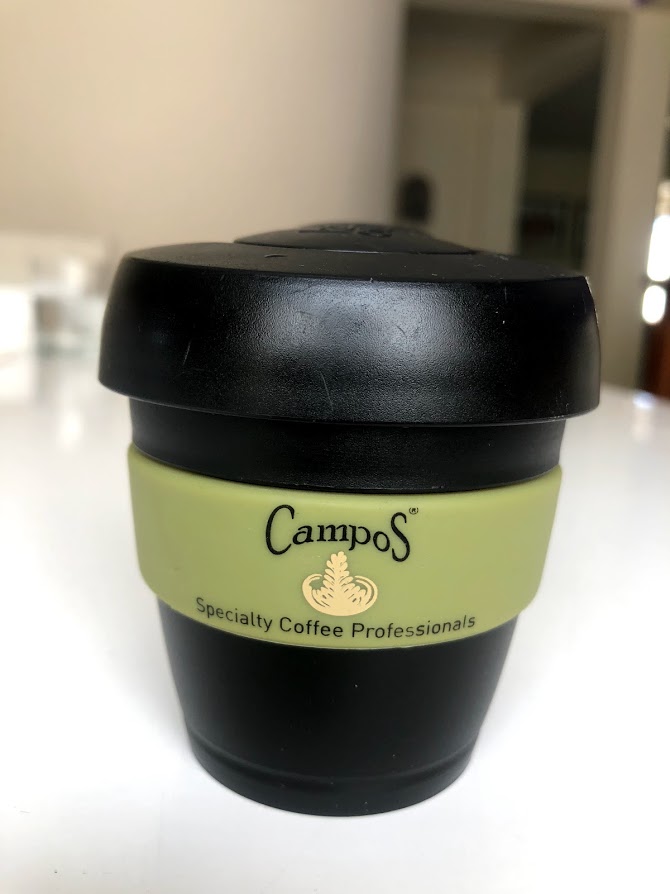
1. Use a Keep Cup for Coffee – Did you know your takeaway coffee cups are not recyclable due to their plastic coating! Invest in a reusable keep cup that can be reused such as these nifty ones from Campos Savvy cafes are also starting to charge less for coffee if you BYO cup so you will also save $$$ in the long run. Just make sure that your Keep Cup is clean enough for your friendly Barista!
2. Switch to Tap & Reusable Bottles – Bottled water uses a lot of plastic / glass and is also a waste of money. Get a reusable drink bottle and fill it with Sydney tap water which is filtered and tastes great! If you prefer bubbles in your water, a SodaStream is a great investment. I bought my 1.8L Re-Usable Water Bottle at Rainbow Organics

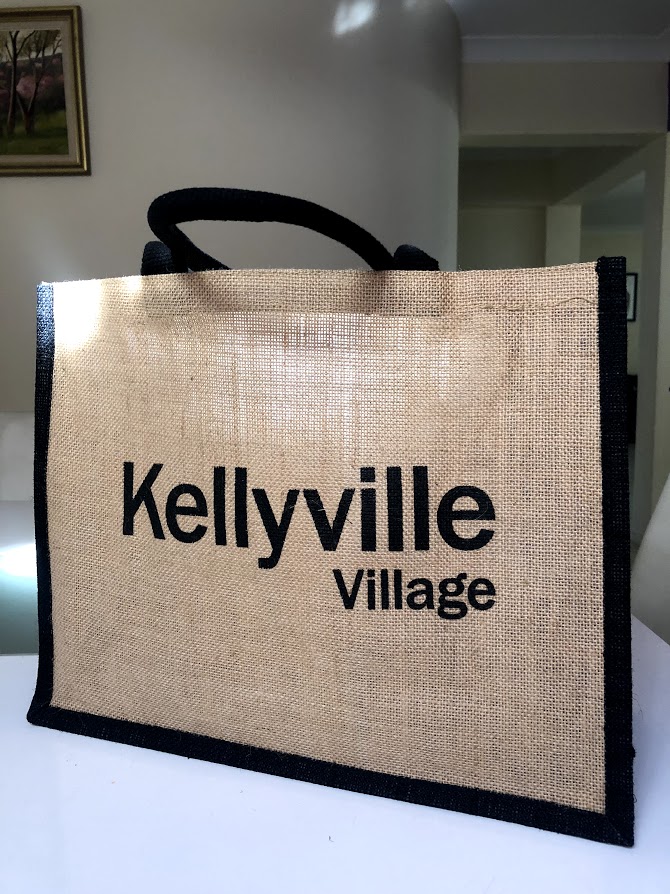
3. BYO Shopping Bags – Do you really need that single use plastic bag? Fortunately more and more stores are becoming aware of this and are ditching plastic bags or switching to paper bags. Keep reusable cloth or hessian shopping bags in the boot of your car so they’re always handy
4. Pick up Rubbish – A lot of rubbish you see on our roads, parks and beaches unfortunately ends up in our oceans where it kills our marine life. Did you know that plastic bottles take around 450 years to break down! Become an Ocean Guardian and try to pick up 3 pieces of rubbish every day to help save our environment.

5. Ditch your Straw – Your straw is made of plastic and is very harmful to animal and marine life. Do you really need to use it? I am sure that plastic straws will be banned everywhere very soon or be replaced by recycled or compostable materials such as bamboo or mulch as awareness increases. Ask for no straw next time you order a beverage.

6. No Junk Mail – Put a No Junk Mail sticker on your mailbox to stop unnecessary paper catalogues which may never get read. These days, you can subscribe to receive most shopping catalogues, newsletters, bills, letters and subscriptions by email. Plus when you are ever away, you will have less mail accumulated when you return.

7. Go Solar – We have around 300 days of sunshine a year in Australia so it’s a great idea to go solar to generate your own electricity and reduce your energy bills. Once your Solar Panels are installed, you can install a “Solar Net Meter” via your Electricity Retailer to receive a feed-in tariff for any unused electricity generated. Prices for solar installations have dropped significantly so Payback or Return on Investment these days can be as low as 2-3 years.


8. Test & Recycle Used Batteries – Batteries contain chemicals and hazardous materials. Unfortunately Battery recycling is not compulsory in Australia unlike many countries. You can drop off your used batteries at Aldi stores You can also test used batteries before disposing them to check if they still have any juice left by using a battery tester.

9. Cleanup Australia – Cleanup Australia day is held on the first Sunday of March every year and is a great community activity but did you know that you can also organise a local cleanup at any time. More info on how you can get involved can be found here

10. Switch Garbage Bags – Switch to biodegradable garbage bags to reduce your environmental impact. This article from Choice explains the difference between Biodegradable, Degradable and Compostable. Some of these labels may not be as beneficial to the environment as they are marketed to be so it pays to be aware.
11. Print Less Print Smart – We live in an increasingly digital world but if you do have to print, be sure to use recycled paper. Also setup your printer to print double sided, black & white, 200dpi and draft or economy mode to use less ink / toner / paper. Dispose of your used printer toner cartridges thoughtfully at these PlanetArk locations
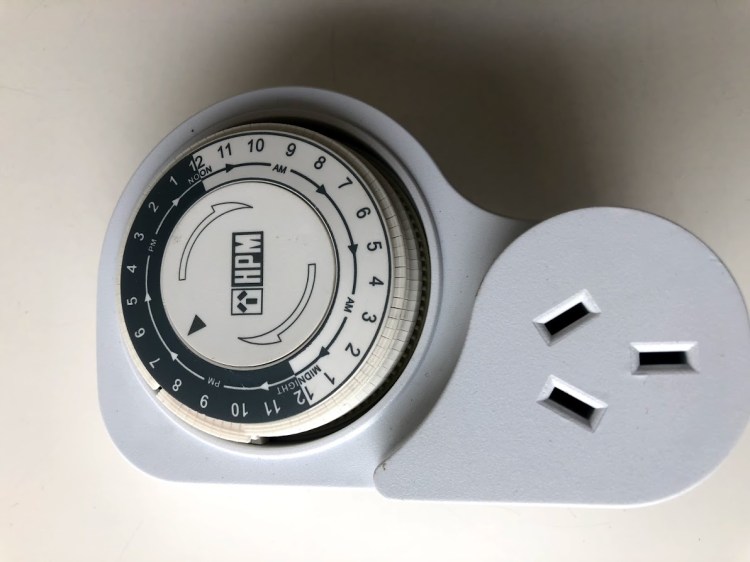
12. Turn your lights off – I remember my parents always telling me to turn off unused lights and appliances, etc and they were right! If you are not using it around the house, turn it off to save electricity including entertainment devices on standby mode. You can also use smart plugs, sensors or simple timer plugs to regulate or manage how long things stay on so they will automatically turn off when not required.
13. Switch to LED – Switch your home to LED Light bulbs to save on electricity, reduce heat as well as get heaps more hours before you need to replace them saving you time as well. LED is more efficient than CFL or Halogen and lights up immediately and these days you can also get Smart LED bulbs which work with smart home hubs. Choose warm white for a softer, more diffused and welcoming ambience.
14. Install Flow Aerators – Bunnings has a whole bunch of water saving tips and devices including flow aerators which you can attach to taps to reduce water flow. Water is one of our most precious natural resources and we happen to live in a very dry continent.
15. Buy Local – If you buy local items including groceries and fresh produce, less energy is spent in producing and getting those items to you, you will be supporting your community and your produce will be fresher, more seasonal and tastier.
16. Spend Wise – We live in a very disposable society where it is cheaper to replace an item than to fix it. Unfortunately all of those disposed items end up in landfill. If you need to buy an item, buying a better quality product will usually provide a much longer life. As the saying goes, buy cheap, buy twice! Buying second hand items is also a great way to save & re-use items especially furniture by giving a pre-loved item a new home. Also buying items in bulk or using refills will not only save on costs and packaging but reduce your number of trips to the grocery store.
17. Extract More from Household Products – A lot of household products are packed in wasteful packaging, especially squeeze tubes or pump dispenser bottles. These often have a narrow opening so you end up with a lot of unused product which gets chucked out. Grab a Stanley knife and cut the plastic bottle sideways to retrieve the contents at the bottom. You would be surprised how much there is left over. You can also use tools like this nifty rolling toothpaste squeezer contraption to extract that last bit of toothpaste!

18. Recycle & Compost – Reduce your waste & rubbish by recycling containers as well as composting organic scraps. Look for the recycling symbol to check if your containers can be recycled. Be mindful that Recycling contents are sorted manually by humans, not a machine. Here is a typical checklist of what your Council will accept for recycling.

Hopefully you picked up 1 or 2 ideas from the above list on how to reduce, re-use and recycle. Please feel welcome to leave a comment below with any feedback or additional tips to share. That’s all folks 🙂
 ganesh's blog